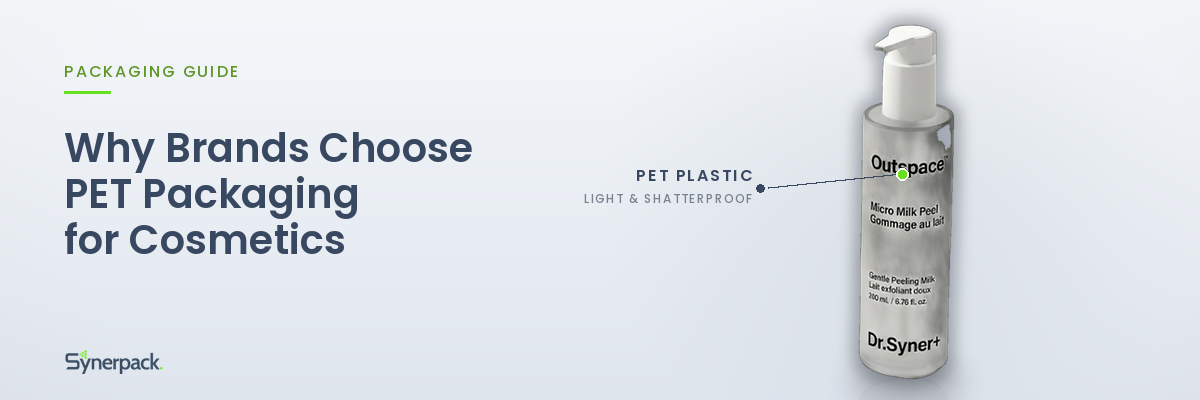
PET packaging gives beauty brands a clear, lightweight container that looks premium without the weight or cost of glass. It is tough, shatter resistant, and easy to customize, which makes it one of the most popular choices in cosmetics today. For brands weighing their options, PET often hits the sweet spot between looks, cost, and practicality.
The numbers show how dominant it has become. The PET packaging market is projected to reach $144.9 billion by 2036, growing at a CAGR of 4.5%, according to Future Market Insights, with bottles and jars leading the way. Personal care and cosmetics are among its fastest-growing uses.
So why do so many brands keep choosing it? This guide lays out the business case for PET packaging, from cost and shipping to shelf appeal and sustainability, so you can see when it is the right call for your line.
The Cost Advantage of PET Packaging
For most brands, the cost is where the PET decision starts. PET is cheaper to produce than glass, and that gap shows up across the whole supply chain.
PET cosmetic packaging costs less per unit, especially at scale, which frees up budget for the formula or marketing. The savings come from a few places:
- Lower material cost: PET resin is less expensive than glass and many other plastics.
- Cheaper production: PET molds quickly and efficiently, which keeps tooling and unit costs down.
- Fewer losses: Because PET resists breakage, fewer units are damaged in production and transit.
For new and growing brands, that lower cost makes premium-looking packaging achievable without a premium budget. It is a big part of why PET plastic packaging is so widely used.
How PET Lowers Shipping and Logistics Costs
Weight is the hidden cost in packaging, and this is where PET really pulls ahead of glass. A PET bottle weighs a fraction of a glass one, and that difference adds fast.
Lighter packaging means lower freight costs, since shipping is often priced by weight. PET bottles for cosmetics also survive drops and rough handling far better than glass, so fewer units break on the way to a warehouse or customer. For brands shipping direct to consumers, that means fewer damaged orders, fewer refunds, and fewer unhappy reviews.
The logistics edge matters even more for ecommerce. A package that arrives intact protects both the customer experience and your margins, which makes PET a smart pick for online-first brands.
PET Vs Glass Packaging: The Brand Trade-Offs
Many brands frame the decision as PET vs glass packaging, and each fits a different positioning. The right answer depends on what your brand wants to signal and what it can spend.
| Factor | PET packaging | Glass packaging |
| Cost per unit | Lower, budget friendly | Higher |
| Weight | Light, easy to ship | Heavy, costs more to ship |
| Durability | Shatter resistant | Breaks if dropped |
| Shelf appeal | Clear, modern, clean | Weighty, premium, luxe |
| Best for | Every day and ecommerce lines | High-end and luxury lines |
| Sustainability | Recyclable, recycled options | Recyclable, reusable |
Glass still wins a luxury feel, so premium and prestige lines often choose it. But PET delivers a clean, clear look at a lower cost and weight, which suits most every day and mid-market lines. Plenty of brands use both glass for the hero product and PET across the rest of the range.
Shelf Appeal and Customization
Looks to sell, and PET gives brands plenty of room to stand out. Its natural clarity shows off the product inside, which builds trust before a customer even opens the cap.
PET takes color, finishes, and decoration well, so brands can build a distinct look without switching materials. Custom PET bottles for brands can be frosted, tinted, or printed to match a full range. The format is also versatile across product types, since PET works for both bottles and jars, which helps keep a line looking consistent.
That mix of clarity and customization is a quiet advantage. It lets a brand look polished and cohesive across every product, which is hard to pull off when you mix too many materials.
The Sustainability Case for PET
Sustainability is now part of almost every packaging decision, and PET has a real story to tell here. It is one of the most widely recycled plastics in the world.
PET carries the number 1 recycling code, so it is accepted by most curbside programs, which makes recyclable PET packaging an easy win for eco-minded brands. Recycled PET, often called rPET, lets brands use post-consumer material instead of new plastic, cutting the footprint further. Its light weight also means a lower carbon cost to ship.
For brands building a greener line, PET offers a practical path: material customers can recycle, with recycled options that lower impact without raising cost as much as some alternatives. For the full picture on packaging materials and safety, see our guide to safe cosmetic packaging materials.
What to Weigh Before Sourcing PET Packaging
Once PET looks like the right fit, a few brand-side checks help you source it well. The goal is to match the material to your formula and your goals before you commit to a run.
Here is what to weigh:
- Formula fit: Confirm PET suits your product, since most water-based and oil-based formulas work well in it.
- Virgin vs recycled: Decide whether you want standard PET or rPET, which carries a stronger eco story.
- Finish and format: Choose the look and whether you need bottles, jars, or both across your line.
- MOQs: Check minimum order quantity. New brands want low or flexible minimums.
Buying PET packaging wholesale also lowers your cost per unit as you scale. Synerpack helps beauty brands choose, customize, and source PET bottles and jars from first idea to final delivery.
Conclusion
Brands choose PET packaging because it solves several problems at once: it costs less, ships lighter, resists breakage, looks clean on the shelf, and recycles easily. That combination is hard to beat for everyday and ecommerce-focused lines.
Glass still has its place for luxury, but for most brands, PET delivers the look they want at a cost and weight that makes sense. Match it to your formula and your positioning, and it can carry your brand beautifully across an entire range.
Ready to choose the right PET packaging for your brand?
Synerpack helps beauty brands choose, customize, and source PET cosmetic packaging, from clear bottles and jars to recycled rPET options. Whether you are launching your first product or scaling a full range, the team can match the right fit to your formula and budget.
Frequently Asked Questions – FAQs
Q.1 What is PET packaging?
PET packaging is packaging made from polyethylene terephthalate, a clear, strong, lightweight plastic. It is widely used for cosmetic bottles and jars because it is shatter resistant, recyclable, and shows off the product inside.
Q.2 Why do brands use PET packaging?
Brands use PET packaging because it costs less than glass, weighs less to ship, resists breakage, and looks clean and modern. It is also recyclable, which makes it a practical choice for everyday and ecommerce cosmetic lines.
Q.3 Is PET packaging recyclable?
Yes. PET carries the number 1 recycling code and is accepted by most curbside recycling programs. Many brands also use recycled PET, or rPET, to lower their environmental footprint while keeping the same clarity and strength.
Q.4 Is PET better than glass for cosmetics?
It depends on your goals. PET is lighter, cheaper, and tougher, which suits every day and ecommerce lines. Glass feels more premium and suits luxury products. The PET vs glass packaging choice comes down to cost, weight, and brand positioning.
Q.5 Where can brands buy PET packaging wholesale?
Most cosmetic packaging suppliers sell PET packaging wholesale, in bottles and jars with options for size, color, and finish. Buying PET packaging wholesale lowers the cost per unit, and a good supplier offers low minimums and samples for new brands.