Your packaging is the first thing a customer sees, often before they ever try the product. It protects your formula, carries your brand, and shapes that first impression on a busy shelf. For a new beauty brand, getting it right matters more than you might think.
The market backs up. The global cosmetic packaging market is projected to reach $89.72 billion by 2034, growing at a CAGR of 5.19%, according to Fortune Business Insights. That growth means more options, but also more choices to weigh.
So where do you start? This guide walks new brands through the packaging of cosmetics in plain terms. We will cover the main types, the materials, what to ask a supplier, and how to choose a fit that works for your product and your budget.
The Main Types of Cosmetic Packaging
Before you pick anything, it helps you to know your options. Different products need different containers, and the right type depends on your formula and how customers will use it.
Here are the most common types of cosmetic packaging:
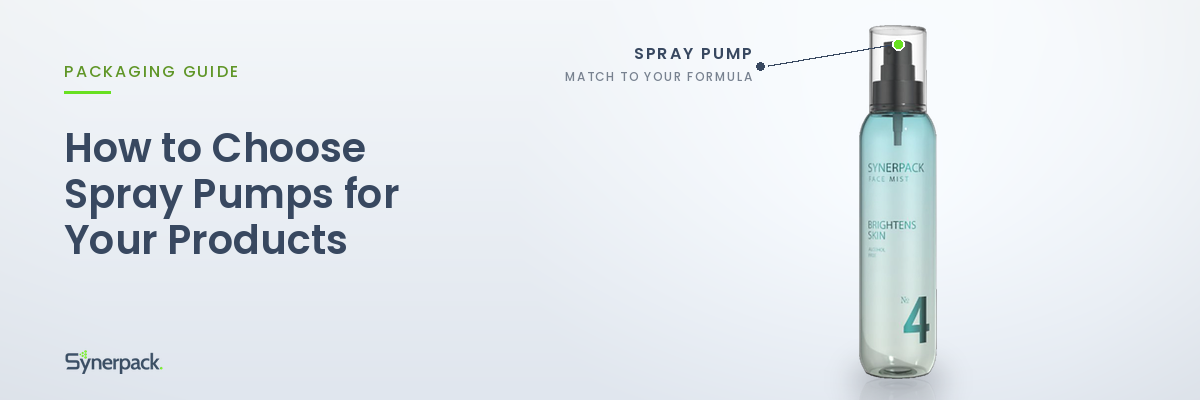
- Bottles: Great for liquids like serums, toners, and lotions. They pair with pumps, droppers, or spray caps.
- Jars: Best for thick products like creams, balms, and masks that you scoop.
- Tubes: Ideal for cleansers, gels, and anything you squeeze. Light and travel friendly.
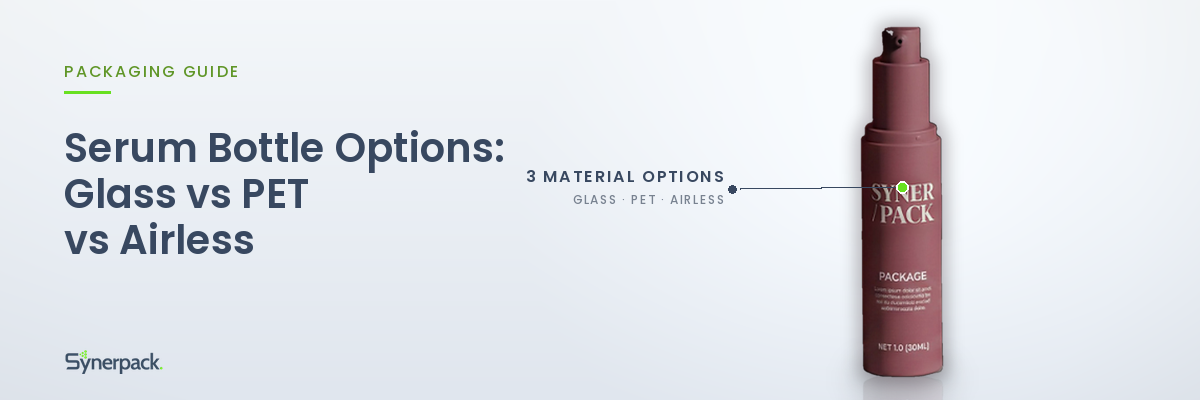
- Pumps and airless bottles: Good for products that need a clean, measured dose, like serums and active formulas.
- Compacts and sticks: Common for color cosmetics like powders, balms, and solid sticks.
Most new brands start with one or two formats that fit their hero product. You do not need every type on day one. Match the container to what you are actually selling and grow from there.
Choosing the Right Cosmetic Packaging Materials
Once you know the format, the next choice is material. Each one affects the look, cost, and feel of your product, plus how well it protects your formula.
| Material | Feel and look | Best for | Trade-off |
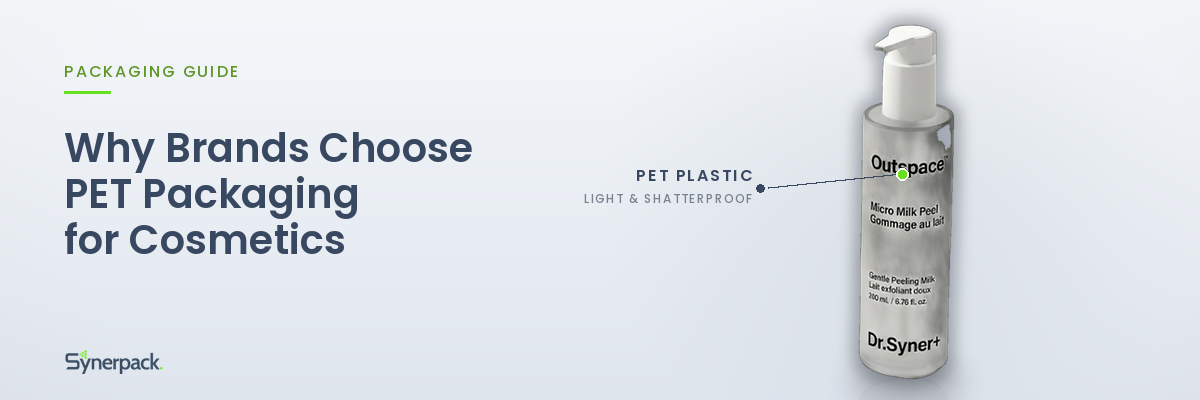
| PET plastic | Clear, lightweight, modern | Bottles, jars, everyday lines | Less premium than glass |
| Glass | Heavy, premium, high end | Serums, creams, luxury lines | Heavier, breaks, costs more to ship |
| PP plastic | Sturdy, holds a tight seal | Caps, closures, jars | Less clear than PET |
| Aluminum | Sleek, fully recyclable | Tubes, bottles, refills | Needs a liner for some formulas |
| PCR plastic | Recycled, eco friendly | Brands with a green focus | Slightly less clear look |
A quick tip on cosmetic packaging materials: think about your formula first. Active ingredients like vitamin C or retinol often need an airless or glass container to stay stable. A simple body lotion has far more flexibility. Our guide to safe packaging materials goes deeper if you want the full breakdown.
Stock vs Custom Packaging
New brands usually face one big early decision: buy stock packaging or invest in a custom design. Both have a place, and the right call depends on your stage and budget.
Stock packaging is ready to be made. You pick from a supplier’s existing molds, add your label, and go. It is cheaper, faster, and has lower minimums, which makes it the smart choice for most first launches.
Custom cosmetic packaging means your own mold and shape. It gives you a unique look and stronger shelf presence, but it costs more and needs much higher order volumes. Most brands wait until they have proven demand before going to customs.
Here is a simple way to decide:
- Just starting out? Stock packaging keeps costs and risks low.
- Proven product and steady sales? Custom cosmetic packaging design can set you apart.
- Want a middle ground? Add custom decorations, like printing or finishes, to a stock container.
What to Look for in a Cosmetic Packaging Supplier
The right supplier makes everything easier. The wrong one can mean delays, leaks, or a finish that does not match your brand. So, it pays to choose carefully, especially for your first run.
Here is what to check when comparing a cosmetic packaging supplier:
- MOQ: Ask about the minimum order quantity. New brands want a supplier with low or flexible minimums.
- Customization: Check what decorations they offer, like color, printing, or finishes, so the packaging for skincare products matches your brand.
- Quality control: Reliable suppliers run leak tests and quality checks before shipping. Always request samples first.
- Certifications: Ask about quality standards like ISO, so you know the factory holds a consistent bar.
- Lead times: Confirm production and shipping timelines up front, so they line up with your launch.
It also helps to work with a supplier who knows the beauty space. The right partner will ask about your formula and your goals, then point you to a fit that works. Buying cosmetic packaging wholesale also lowers your cost per unit as you scale. Synerpack helps new beauty brands choose, customize, and source packaging from the first idea to final delivery.
Conclusion
Packaging is one of the biggest early decisions a beauty brand makes. It protects your product, carries your brand, and shapes how customers see you before they even open the lid.
Start simply. Pick a format that fits your hero product, choose a material that protects your formula, and find a supplier with low minimums and solid quality checks. You can always add custom touches as your brand grows.
Ready to get started on the right packaging for your first line?
Synerpack helps new beauty brands choose, customize, and source cosmetic packaging, from stock options to fully custom designs. Whether you are launching your first product or building a full range, the team can match the right fit to your formula and budget.
Frequently Asked Questions – FAQs
Q.1 What is cosmetic packaging?
Cosmetic packaging is the containers and materials used to hold, protect, and present beauty products. This includes bottles, jars, tubes, pumps, and compacts made from plastic, glass, metal, or recycled materials.
Q.2 What types of packaging do cosmetics use?
The main types of cosmetic packaging are bottles, jars, tubes, pumps, airless bottles, and compacts. Bottles suit liquids; jars hold thick creams, and tubes work for anything you squeeze. The right type depends on your product.
Q.3 How do new brands choose cosmetic packaging?
New brands should start with their formula and hero product, then pick a matching format and material. For most first launches, stock packaging with low minimums is the smartest choice before moving to custom cosmetic packaging.
Q.4 Where can new brands buy cosmetic packaging wholesale?
Most cosmetic packaging suppliers sell wholesale, with options for size, material, and branding. Buying cosmetic packaging wholesale lowers the cost per unit, and a good supplier offers low minimums and samples for new brands.
Q.5 What materials are best for packaging skincare products?
It depends on the formula. PET plastic and glass are popular for packaging skincare products, while active ingredients often need airless or glass to stay stable. The best material protects your formula and fits your brand.