Spray packaging turns a liquid into a fine, even layer that lands right where you want it. For skincare, that means less waste, a cleaner application, and a more pleasant feel than splashing product from a bottle. The type of sprayer you choose shapes how the whole product performs.
The demand is climbing, too. The global fine mist sprayers market is projected to reach $2.38 billion by 2030, growing at a CAGR of 4.8%, according to Deep Market Insights. More brands are reaching for sprays because customers love how easy they are to use.
So which sprayer fits your product? This guide breaks down the main types of spray packages for skincare brands, what each one does best, and how to pick the right fit for your formula and your budget.
How Spray Packaging Works
Before comparing types, it helps to know the basics. Every sprayer does the same core job: it pulls liquid up from the bottle and pushes it out through a nozzle as droplets.
A few parts make that happen. A dip tube draws the liquid up. A pump or valve builds pressure. And a nozzle controls how fine or coarse the spray comes out.
The size of the nozzle opening and the strength of the pump decide the result. A small opening with a strong push creates a fine, airy mist. A larger opening makes bigger, wetter drops. That simple difference is what separates one type of spray bottle packaging from another.
The Main Types of Spray Bottles
Not every sprayer suits every product. Each type of spray bottle delivers liquid in its own way, so the right pick depends on your formula and how customers will use it.
Here are the most common types of spray bottles for skincare:
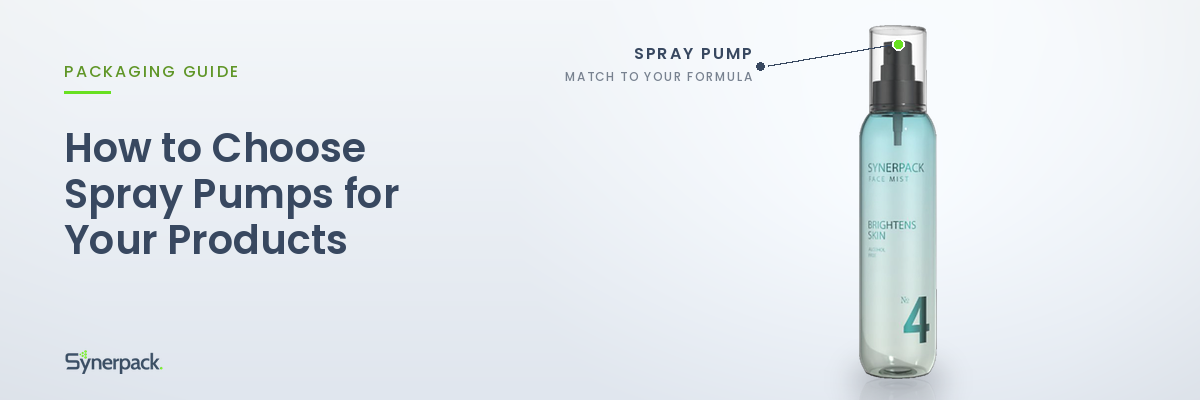
- Fine mist sprayers: These break liquid into a soft, light cloud. Fine mist spray bottles are the go-to for facial toners, hydrating mists, and setting sprays.
- Continuous spray pumps: One press gives a steady spray for a second or two, which makes coverage smooth and even. Good for body mists and larger areas.
- Trigger sprayers: You squeeze a trigger to spray. Best for bigger bottles and household-style products, less common for facial skincare.
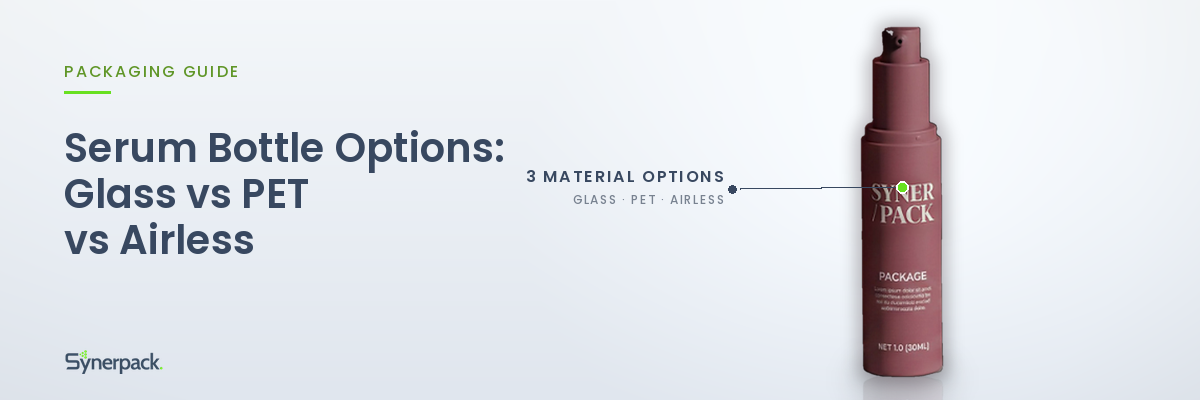
- Treatment pumps: These dispense a small, controlled burst. A fit for serums and products that need a precise dose rather than a wide spray.
- Aerosol sprayers: These use pressure to push out a very fine, even mist. Common for sunscreen and dry shampoos, though they need special cans and filling.
Most skincare brands focused on the face land on fine mist or treatment pumps. Body and hair products lean toward continuous or trigger sprays.
Comparing Spray Types for Skincare
To make the choice easier, here is how the main options stack up on the things that matter most for a skincare line.
| Spray type | Best for | Spray feels | Note |
| Fine mist | Toners, facial mists | Soft, light cloud | Most popular for face care |
| Continuous spray | Body mists, large areas | Steady, even coat | Smooth coverage per press |
| Trigger spray | Big bottles, home use | Wetter, heavier | Less suited to facial products |
| Treatment pump | Serums, precise doses | Small, controlled burst | Great for active formulas |
| Aerosol | Sunscreens, dry shampoo | Very fine, pressurized | Needs special cans and fil |
The takeaway is simple. Match the spray to the job. A facial toner needs a soft fine mist, while a body spray wants broader coverage. The right cosmetic spray bottle packaging makes your product easier to use and helps it stand out. For a deeper look at fine mist specifically, see our guide on how ultra fine mist spray bottles work for toners.
Choosing the Right Material and Size
Once you have picked a spray type, the bottle itself is the next choice. For skincare, the two main materials are PET plastic and glass, and each has its place.
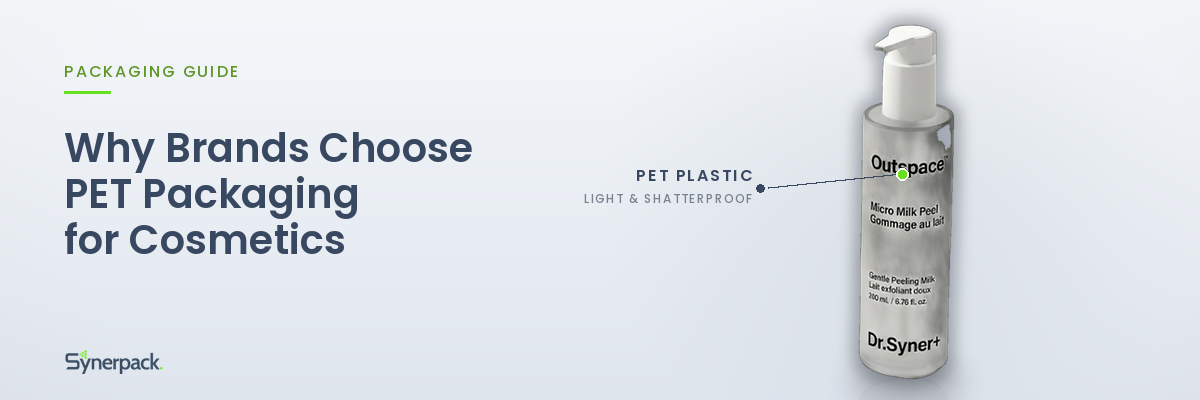
PET is clear, lightweight, and shatter resistant, which makes it great for travel sizes and everyday products. Glass feels heavier and more premium, so it suits high-end facial mists and luxury lines. Both pair well with most sprayer types.
Size matters as well. Here is a rough guide for mist spray packaging for face and body:
- Facialists and toners: 100 ml is the most popular size, big enough for regular use and easy to handle.
- Travel and trial sizes: 30 ml to 50 ml works well for kits, samples, and on-the-go use.
- Body Mists: 100 ml and up, since they cover a larger area.
There is no single right answer. The best material and size depend on your formula, your price point, and how your customer will use the product.
What to Know Before Sourcing
Once you know which spray fits your line, sourcing comes down to a few key checks. A reliable supplier saves you from leaks, weak sprays, and finishes that miss your brand.
Here is what to look for:
- Spray consistency: Ask for samples and test the spray. It should be even smooth every time, with no spitting or dripping.
- Material quality: Confirm that the PET or glass is a cosmetic grade and safe for your formula.
- Customization: Look for options like color, printing, and finishes, plus custom spray bottles for skincare if you want a unique look.
- MOQs: Check the minimum order quantity. New brands want low or flexible minimums.
- Quality checks: Reliable suppliers run leak and spray tests before shipping.
Buying wholesale spray packaging also lowers your cost per unit as you scale. Synerpack helps skincare brands choose, customize, and source the right sprayer, bottle, and finish from first idea to final delivery.
Conclusion
The right spray makes a skincare product feel effortless. Fine mist suits facial toners; continuous sprays cover the body, and treatment pumps handle precise doses for serums and active formulas.
Start with your formula and how customers will use it, then match the spray type, material, and size to fit. A thoughtful choice protects your product and gives your brand a polished, easy-to-use feel.
Ready to find the right spray packaging for your skincare line?
Synerpack helps brands choose, customize, and source the right sprayer, bottle, and finish, from stock options to fully custom designs. Whether you are launching your first product or scaling an existing range, the team can match the right fit to your formula and budget.
Frequently Asked Questions – FAQs
Q1. What are spray packages?
Spray packages are containers fitted with a sprayer that turns liquid into droplets or mist. In skincare, they include fine mist bottles, continuous spray pumps, and treatment pumps used for toners, mists, and serums.
Q2. What types of spray bottles are used in skincare?
The main types of spray bottles in skincare are fine mist sprayers, continuous spray pumps, treatment pumps, and sometimes aerosol sprayers. Fine mist is the most common for facial products like toners and hydrating mists.
Q3. What is fine mist spray packaging best for?
Fine mist spray bottles are best for facial products like toners, hydrating mists, and setting sprays. They break liquid into a soft, light cloud that spreads evenly without feeling wet or heavy on the skin.
Q4. Which spray bottle material is best for skincare?
It depends on your goals. PET plastic is lightweight, shatter resistant, and ideal for travel sizes, while glass feels more premium and suits high-end lines. Both work well with most sprayer types.
Q5. Where can skincare brands buy spray packaging wholesale?
Most cosmetic packaging suppliers sell spray bottle packaging wholesale, with options for size, material, and branding. Buying wholesale spray packaging lowers the cost per unit, and a good supplier offers low minimums and samples.