A bottle does more than hold a formula. It controls how the product comes out, protects what is inside, and tells customers what kind of brand you are before they ever open the cap. Choosing the right one shapes the whole product experience.
The category keeps growing, too. The cosmetic bottle packaging market is projected to grow from $31.99 billion in 2025 to $45.48 billion by 2035, at a CAGR of 3.58%, according to Market Research Future. That means more choices for brands, and more to weigh before you commit.
So, what bottle packaging suits your cosmetics? This guide breaks down the main bottle types, the glass versus plastic question, sizing, and sourcing, so you can match the right bottle to your product and your budget.
The Main Types of Cosmetic Bottles
Different products need different bottles. The right type depends on your formula and how customers will use it day to day.
Here are the most common types of cosmetic bottles:
- Dropper bottles: Best for serums and oils, giving a precise, measured dose. Popular for facial treatments.
- Pump bottles: Good for lotions, cleansers, and creams that need an even amount for each press.
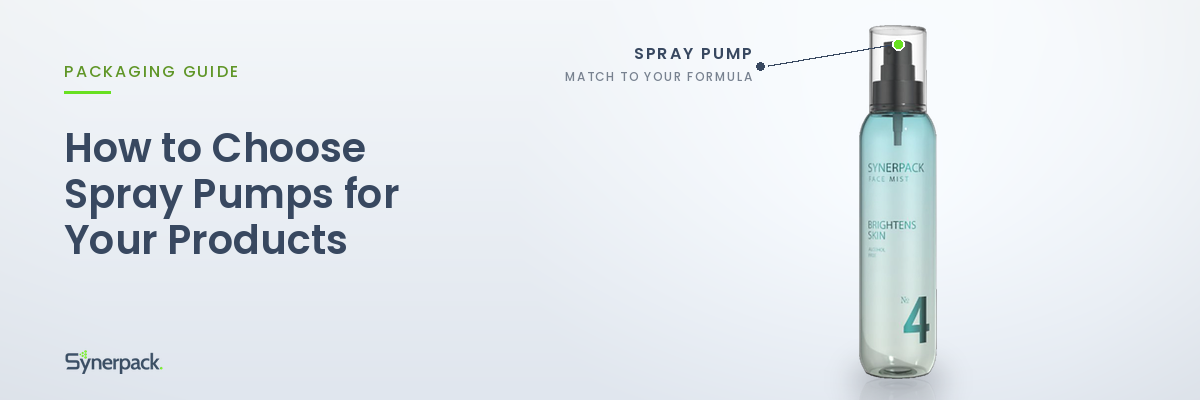
- Spray bottles: A fit for toners, mists, and setting sprays that go on as a fine layer.
- Flip-cap and disc-top bottles: Handy for shampoos, body washes, and gels you squeeze out.
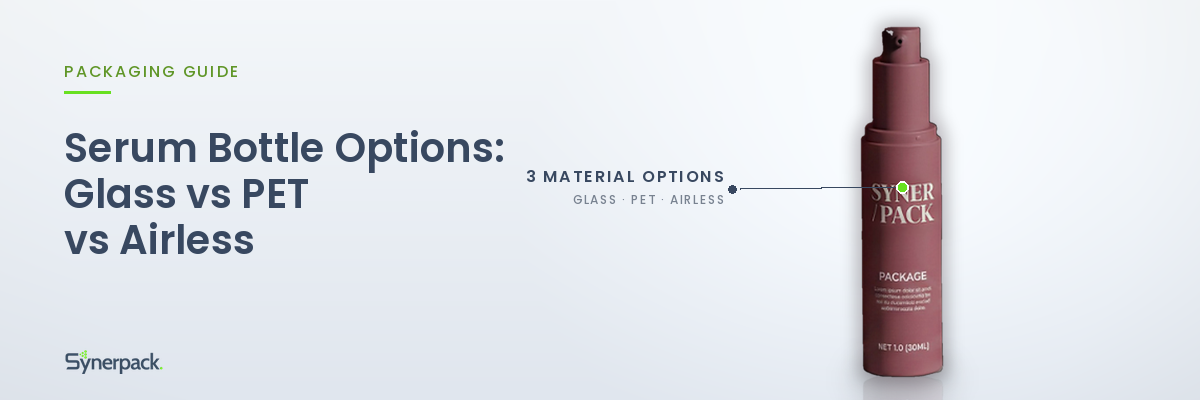
- Airless bottles: Ideal for active formulas that need protection from air, like vitamin C or retinol.
Most brands start with one or two bottle styles that match their hero product. You do not need every type at launch. Match the bottle to see how customers will actually use the product.
Glass vs Plastic Cosmetic Bottles
Once you know the bottle type, the material is the next big call. For cosmetics, the two main options are glass and plastic, and each has clear strengths. The glass vs plastic cosmetic bottles choice usually comes down to your positioning and budget.
| Factor | Glass bottle packaging | Plastic bottle packaging |
| Look and feel | Heavy, premium, high end | Light, practical, modern |
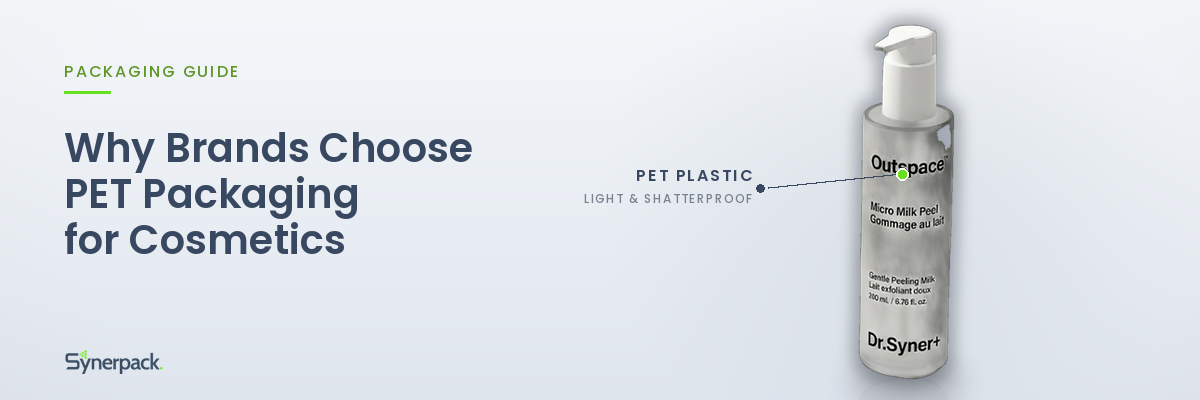
| Durability | Can break if dropped | Shatter resistant, travel friendly |
| Cost per unit | Higher | More affordable |
| Best for | Luxury serums, premium lines | Everyday products, travel sizes |
| Shipping | Heavier, costs more | Lighter, cheaper to ship |
| Sustainability | Endlessly recyclable | Recyclable, PCR options available |
Glass bottle packaging signals quality and suits high-end serums and treatments, but it weighs more and costs more to ship. Plastic bottle packaging is tougher, lighter, and budget friendly, which makes it a smart pick for everyday lines and travel sizes. Many brands use both different products.
Matching Bottle Size to Your Product
Size affects how the product is used and how it looks on the shelf. Too big and it feels bulky, too small, and it runs out fast. The right size depends on the product and the customer.
Here is a rough guide for cosmetics packaging bottles:
- Serums and oils: 15 ml to 30 ml suits droppers and small treatment bottles.
- Toners and mists: 100 ml is the most popular size for facial sprays.
- Lotions and cleansers: 100 ml to 250 ml works for pump bottles.
- Body washes and shampoos: 250 ml and up for everyday use.
A quick note on units: cosmetic bottles are measured in milliliters, so keeping that consistent across your line makes labeling cleaner and easier for customers to read.
What to Check Before Sourcing Bottle Packaging
Once you know which bottles fit your line, sourcing comes down to a few key checks. A reliable supplier saves you from leaks, weak pumps, and finishes that miss your brand.
Here is what to look for in bottle packaging for skincare:
- Seal and leak testing: The cap or pump should seal tightly for shipping and daily use.
- Material quality: Confirm that the glass or plastic is a cosmetic grade and safe for your formula.
- Customization: Look for custom bottle packaging with color, printing, and finish options so it matches your brand.
- MOQs: Check minimum order quantity. New brands want low or flexible minimums.
- Quality control: Reliable suppliers run leaks and drop tests before shipping.
Always request samples and test them with your actual formula before a full run. Buying cosmetic bottle packaging wholesale also lowers your cost per unit as you scale. Synerpack helps skincare brands choose, customize, and source the right bottle from first idea to final delivery.
Conclusion
The best bottle packaging for cosmetics is the one that fits your formula, your customer, and your budget. Start with the bottle type, weigh glass against plastic, pick the right size, and check the seal and quality before you commit.
Take the time to test samples and work with a supplier you trust. Get it right, and your bottle protects your product while giving your brand a polished, professional look.
Ready to find the right bottle for your line?
Synerpack helps skincare brands choose, customize, and source cosmetic bottles, from dropper and pump bottles to spray and airless designs. Whether you are launching your first product or scaling an existing range, the team can match the right fit to your formula and budget.
Frequently asked questions – FAQs
Q1. What is cosmetic bottle packaging?
Cosmetic bottle packaging is the bottles and closures used to hold and dispense beauty products. It includes dropper, pump, spray, flip-cap, and airless bottles made from glass or plastic, each suited to different formulas.
Q2. What types of bottles are used for cosmetics?
The main types of cosmetic bottles are dropper bottles for serums, pump bottles for lotions, spray bottles for mists, flip-cap bottles for washes, and airless bottles for active formulas. The right type depends on your product.
Q3. Are glass or plastic bottles better for cosmetics?
It depends on your goals. Glass bottle packaging feels premium and suits luxury lines, while plastic bottle packaging is lighter, tougher, and more affordable for everyday products and travel sizes. Many brands use both.
Q4. How do I choose the best bottle packaging for cosmetics?
Start with the bottle type your formula needs, then weigh material, size, and quality. Testing samples and checking seals and finish are key steps. The best bottle packaging for cosmetics matches your product to the right bottle and a reliable seal.
Q5. Where can brands buy cosmetic bottles wholesale?
Most cosmetic packaging suppliers sell wholesale packaging bottles, with options for size, material, and branding. Buying cosmetic bottle packaging wholesale lowers the cost per unit, and a good supplier offers low minimums and samples for new brands.